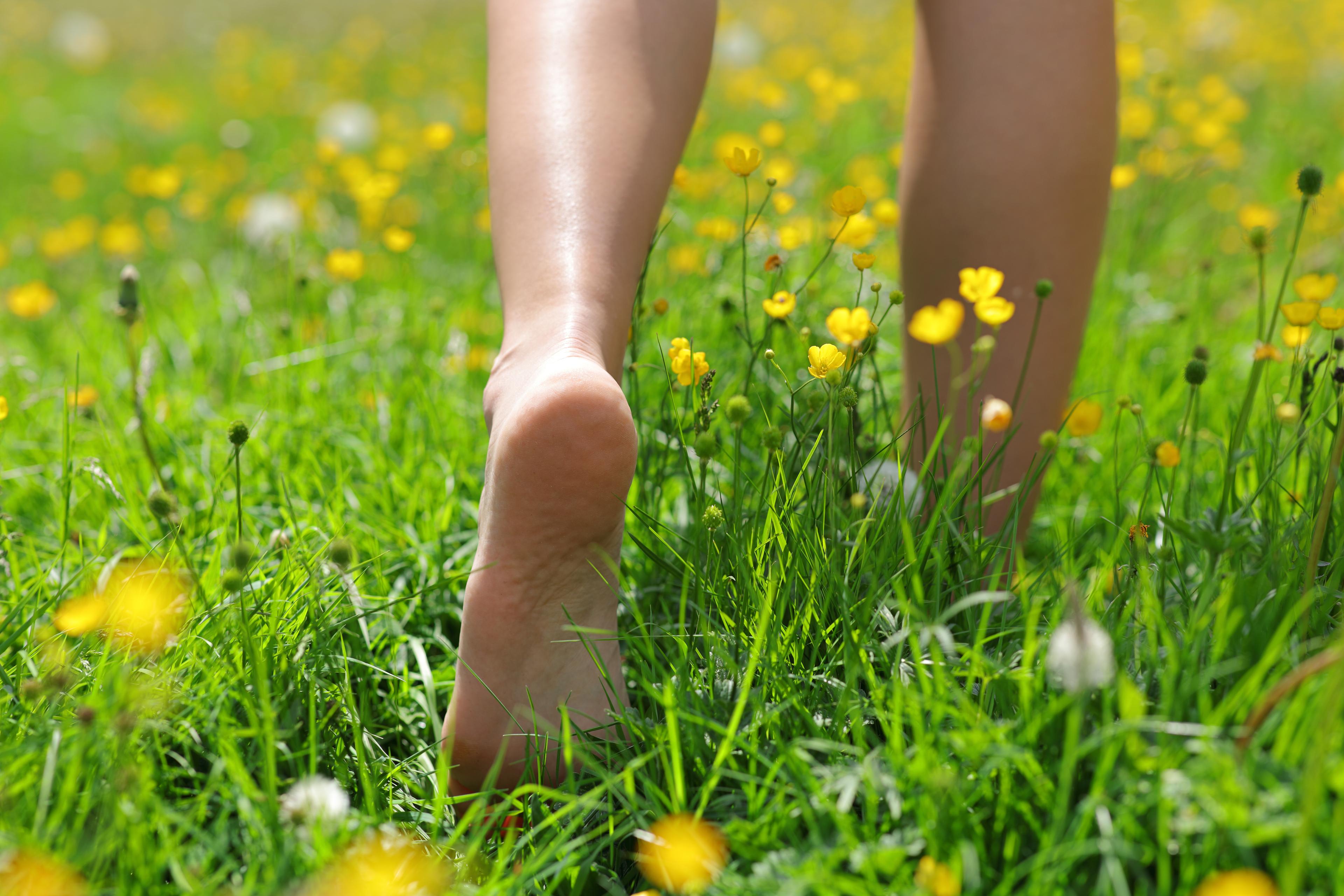
Grounding, often termed as earthing, is an increasingly popular wellness practice centered around gym supplements direct contact with the Earth’s surface. This connection is thought to yield health advantages stemming from the planet’s inherent electrical properties. Grounding emphasizes the conceptual foundation of exchanging free electrons between the Earth and the human body, which may mitigate oxidative stress and support systemic balance.
Understanding Grounding and Its Purported Benefits
Grounding draws on the premise that the Earth maintains a vast reservoir of free electrons. By physically connecting with the ground, these electrons can theoretically transfer to the body, promoting physiological benefits. The array of potential health outcomes associated with this practice includes enhanced immune function, decreased inflammation, reductions in heart rate, uplifted mood, and alleviation of pain. While robust scientific validation is ongoing, preliminary reports and anecdotal experiences lend some support to these claims.
The Impact of Grounding on Health
Considered a complementary approach, grounding is posited to influence various health parameters positively:
Improved Immune Response: The immune response may be positively modulated, potentially aiding the body’s natural defense mechanisms.
Reduced Inflammatory Processes: Grounding could contribute to a decrease in inflammation, a marker for many chronic health conditions.
Cardiovascular Adjustments: Heart rate stabilization is an area under observation for grounding’s impact on cardiovascular health.
Mood Enhancement: Engaging in grounding activities may improve overall well-being and mood, contributing to psychological health.
Pain Decrease: Some individuals report lessened pain severity when practicing grounding, which may be reflective of its impact on inflammation and stress modulation.
Diverse Methods to Practice Grounding
Grounding can be experienced in various forms, each designed to foster a connection with the Earth. These methods include:
Walking barefoot: Direct contact through the soles of the feet provides a simple and accessible way to ground.
Engaging with water: Bodies of natural water just like the Earth can serve as conductive environments.
Grounding equipment: For indoor use or when outdoor contact is impractical, specialized devices mimic the Earth’s electromagnetic properties.
Barefoot exercise: Physical activities sans footwear combine the benefits of grounding with those of exercise.
Gardening: Direct touch with the soil during gardening activities offers a dual connection to Earth and plant life.
Embracing trees: Hugging or touching trees can be considered another form of grounding with added emotional benefits.
Each method aims to capture the essence of Earth’s energy and potentially translate it into physical and mental health improvements.
 Site Title
Leave a comment